
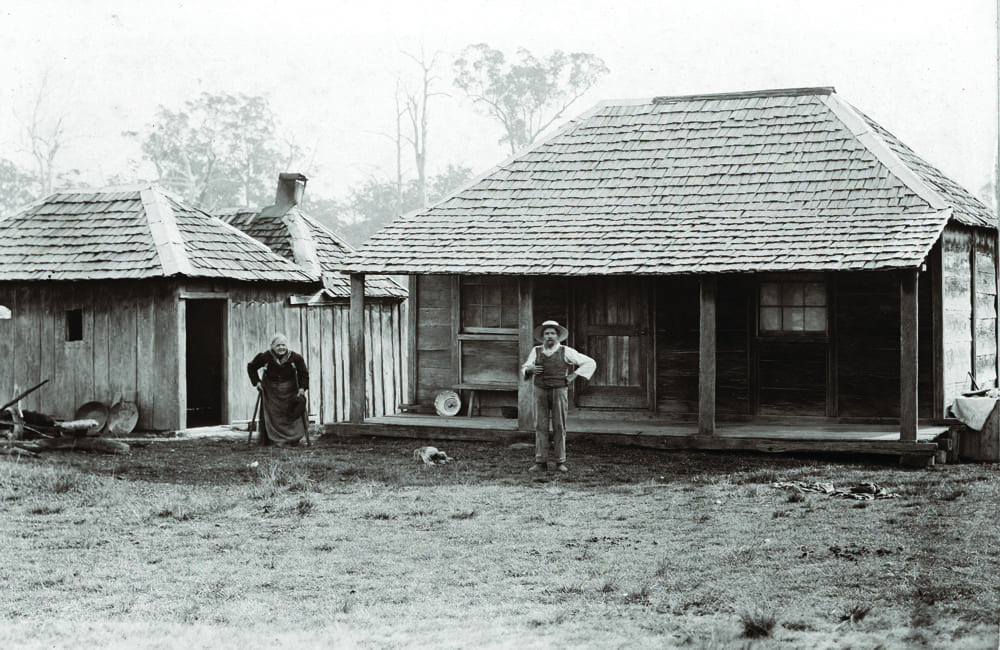
Shipwrecked by a lie, rebuilt by hand.
From a promised colony that did not exist, to a village that thrived for half a century in the Northern Rivers scrub.
The Marquis de Rays expedition
In 1880, a French adventurer styling himself the "Marquis de Rays" sold hundreds of Italian, French and other European families a dream: fertile land, an established port and a ready-made colony called "Port Breton", on the island of New Ireland in the Pacific — today part of Papua New Guinea. Families sold what little they had and boarded ships for a new life.
There was no colony. Ships arrived to find dense jungle, no infrastructure, and no supplies — the entire scheme was a fraud. Disease, starvation and despair took hold quickly among the stranded emigrants, who had nowhere to turn and no way home.
"They told us of a city with a harbour. We found only the trees, and the sea we had crossed to reach them."
Sir Henry Parkes intervenes
Word of the survivors' plight reached NSW Governor Sir Henry Parkes, who arranged rescue vessels and passage to Sydney for hundreds of stranded emigrants — sparing them further loss of life and offering the first real hope since they had set sail.
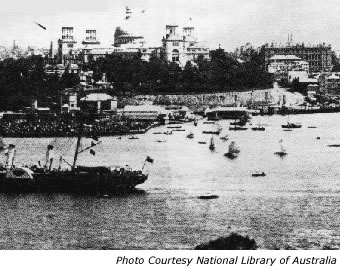
Landing at Sydney Harbour
Survivors of the failed expedition landed at Sydney Harbour in 1881 — exhausted, largely destitute, and a long way from the homes they had left. From here, many were directed north toward the Richmond River district, to land offered near Woodburn.
New Italy is founded
In 1882, the resettled families began clearing scrub near Woodburn and founded New Italy — an Italian-speaking farming community built from nothing, on land that owed them nothing.
The silk years
New Italy ran an experimental silk industry through the 1890s — sericulture that won prizes at exhibitions in both Sydney and Milan, alongside dairying, timber-getting and blacksmithing, before a prolonged drought brought the silk trade to an end.
Families disperse
Over subsequent decades the settlement gradually declined as opportunities elsewhere drew families away — the community that had spoken Italian in the scrub slowly scattered across the region and beyond.
Giacomo Piccoli's Park of Peace
In the 1930s, settler descendant Giacomo Piccoli established the Park of Peace on the original site, to ensure the pioneers would not be forgotten — the seed of the museum that exists today.
The industries that built it
Four trades, worked by hand, turned scrubland into a functioning village.
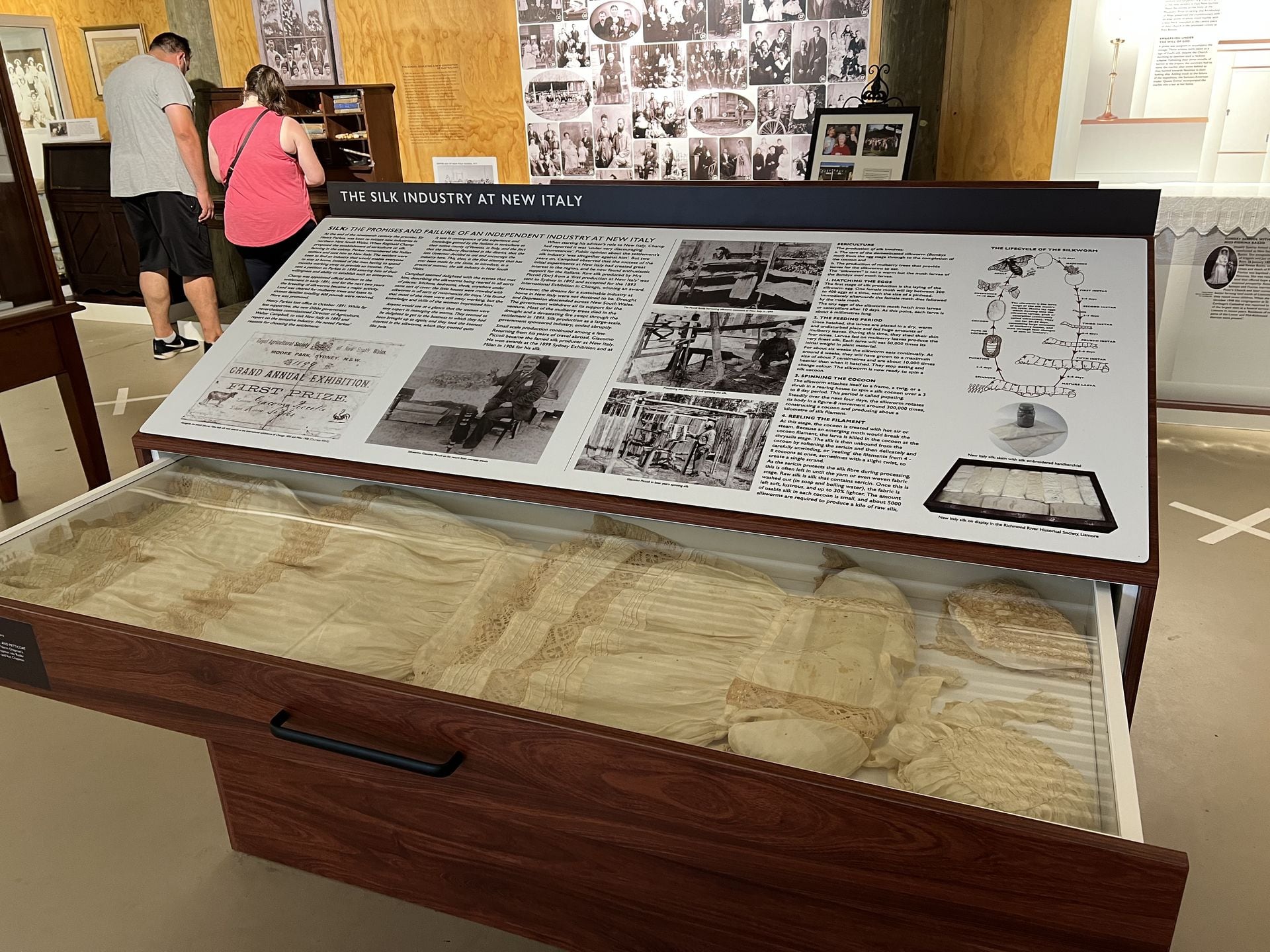
Silk
An award-winning experimental industry, prizewinning at Sydney and Milan.
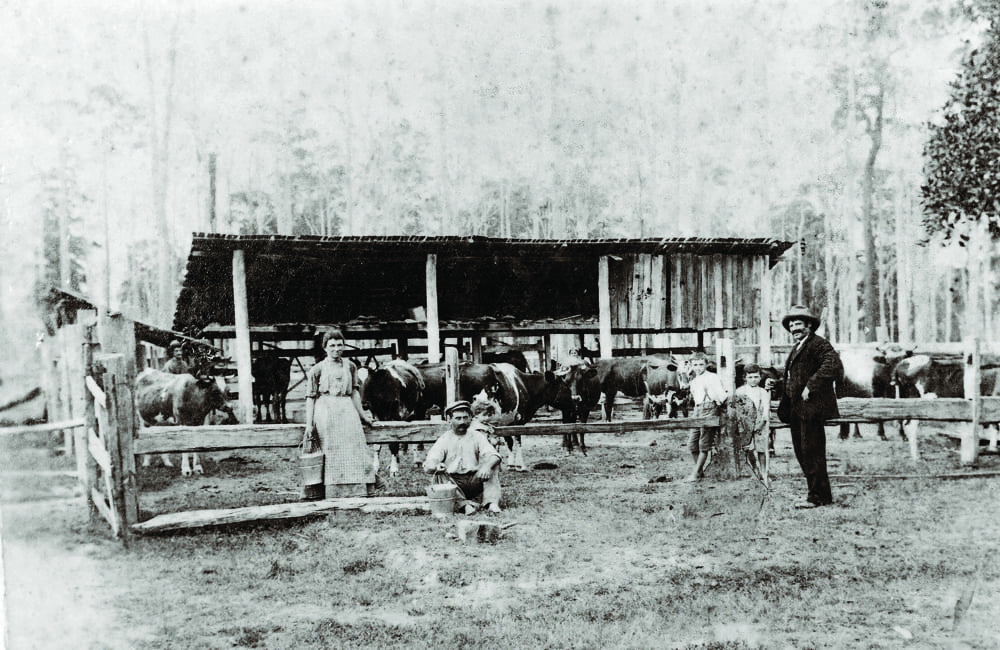
Dairy
Herds worked by the settler families as the district's dependable trade.
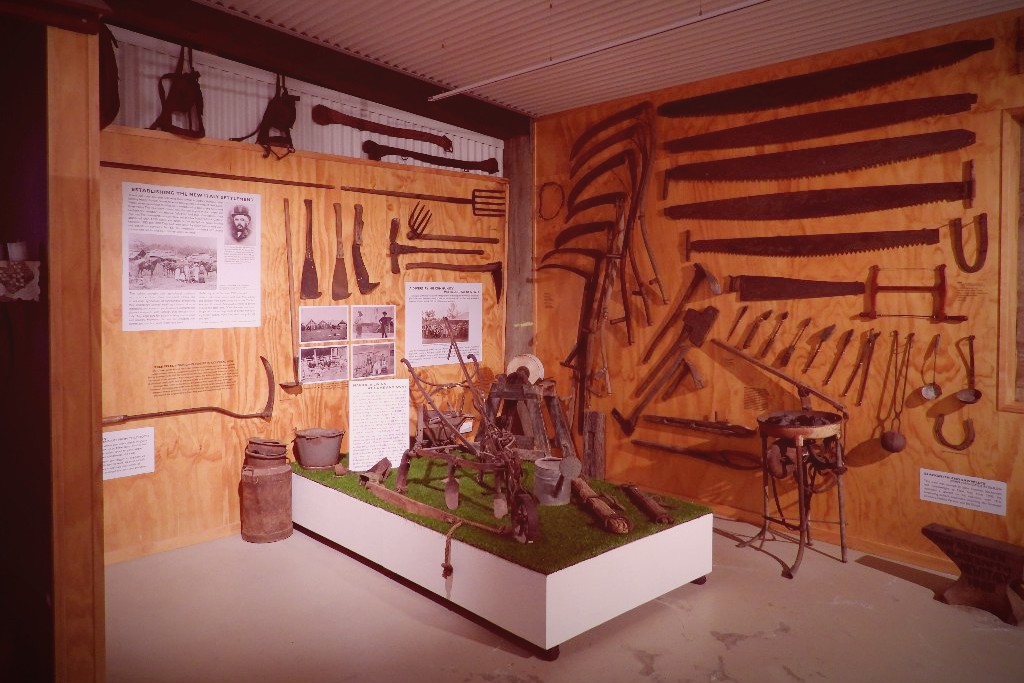
Blacksmithing
A working anvil and forge, tools still on display in the museum today.
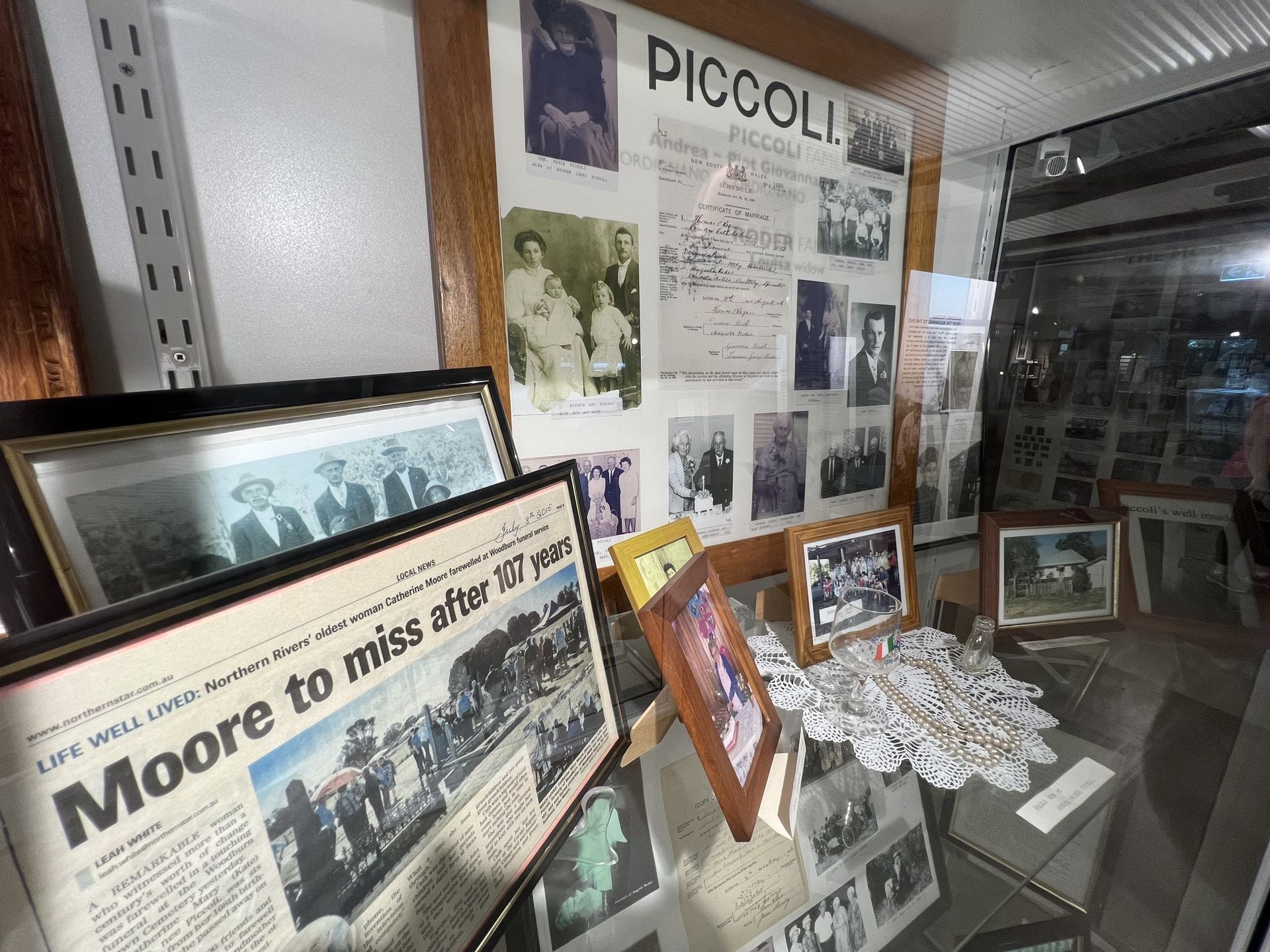
Timber-getting
Scrub cleared and milled by hand to build the settlement itself.
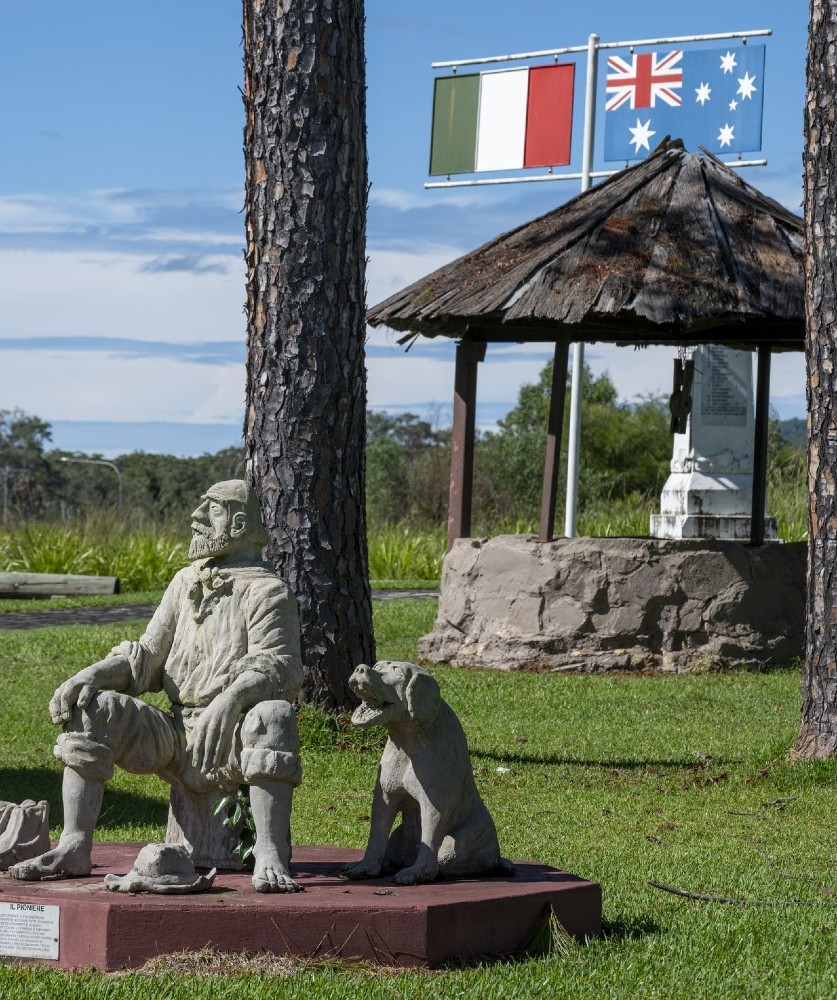
"Il Pioniere" — a seated figure, and his dog, watching over the settlement still.
Giacomo Piccoli's 1930s memorial gave the pioneers a permanent place of remembrance — the "Il Pioniere" statue, a seated pioneer figure with his dog, flanked by the Italian and Australian flags. It remains the emotional centre of the grounds, framed by a timber gazebo shrine and the quiet of the surrounding park.
"Two flags fly above him now — the one he left, and the one that took him in."
Kept alive today
New Italy Museum Inc. now cares for the site as an ACNC-registered charity, entirely volunteer-run — descendants and community members giving their time so the story stays told.
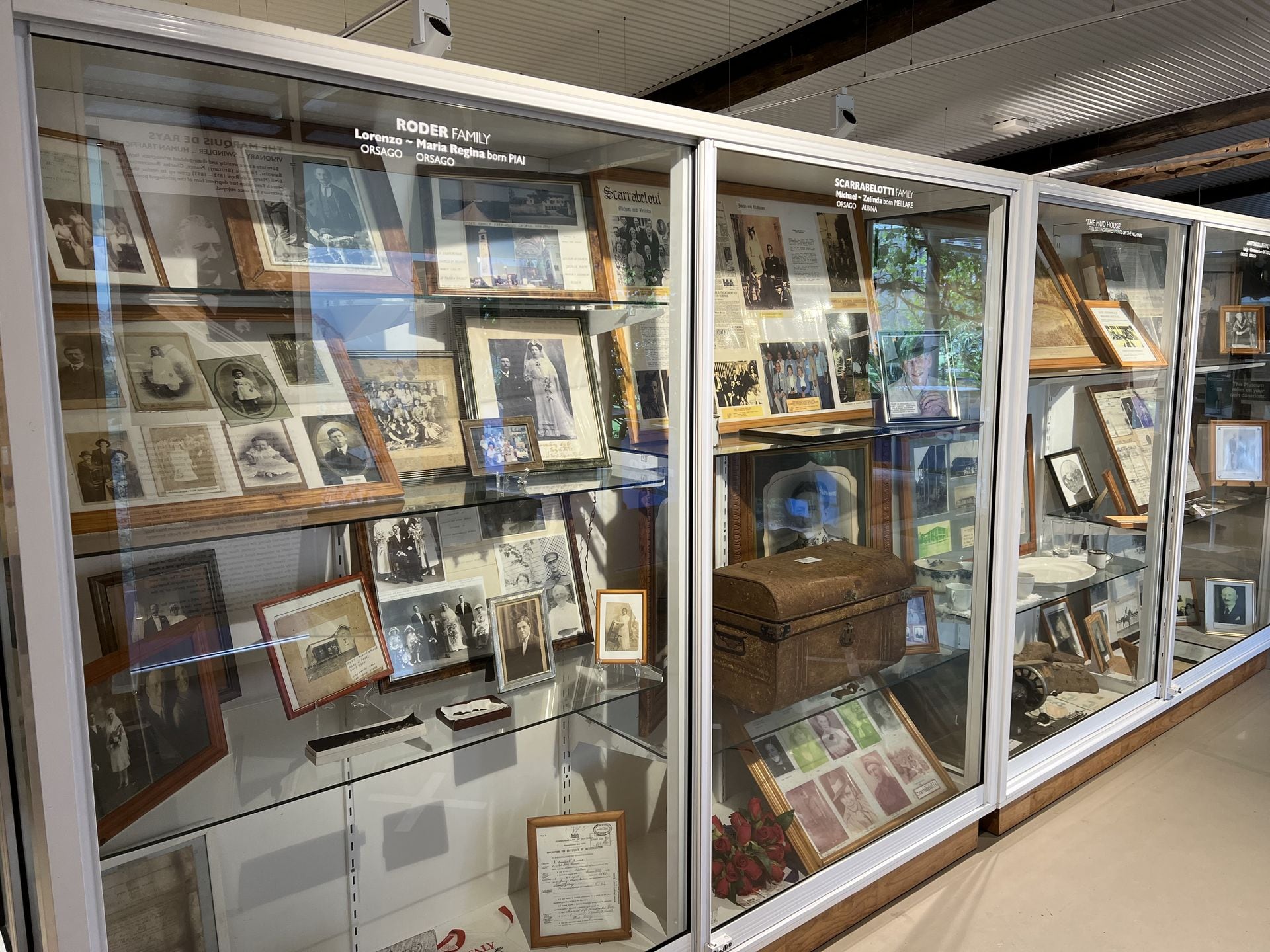
Genealogy & collections
Family-history databases and museum collection records support descendants tracing pioneer families back to 1882.
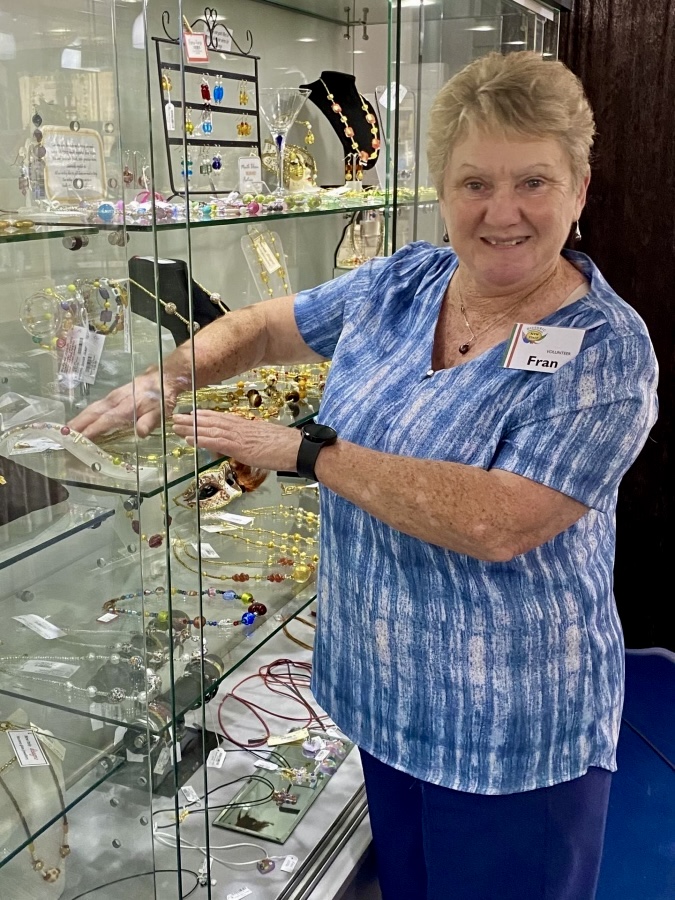
Volunteer stewardship
Regular working bees and a volunteer roster keep the museum, pavilion and grounds running with no paid staff.
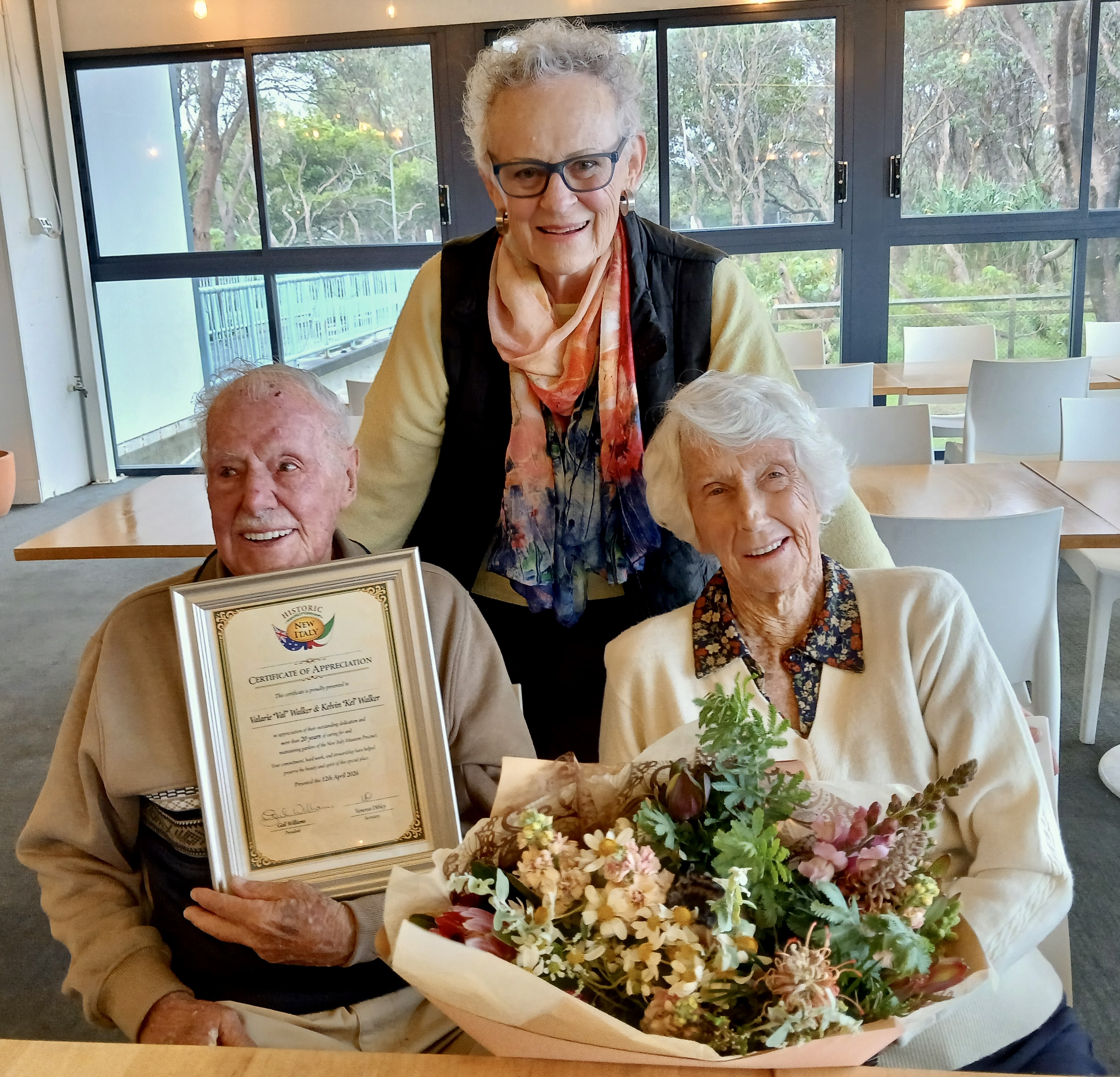
A living community
Anniversary Day, Alpini gatherings and the quarterly "Il Giornale" newsletter keep descendants connected to the site.